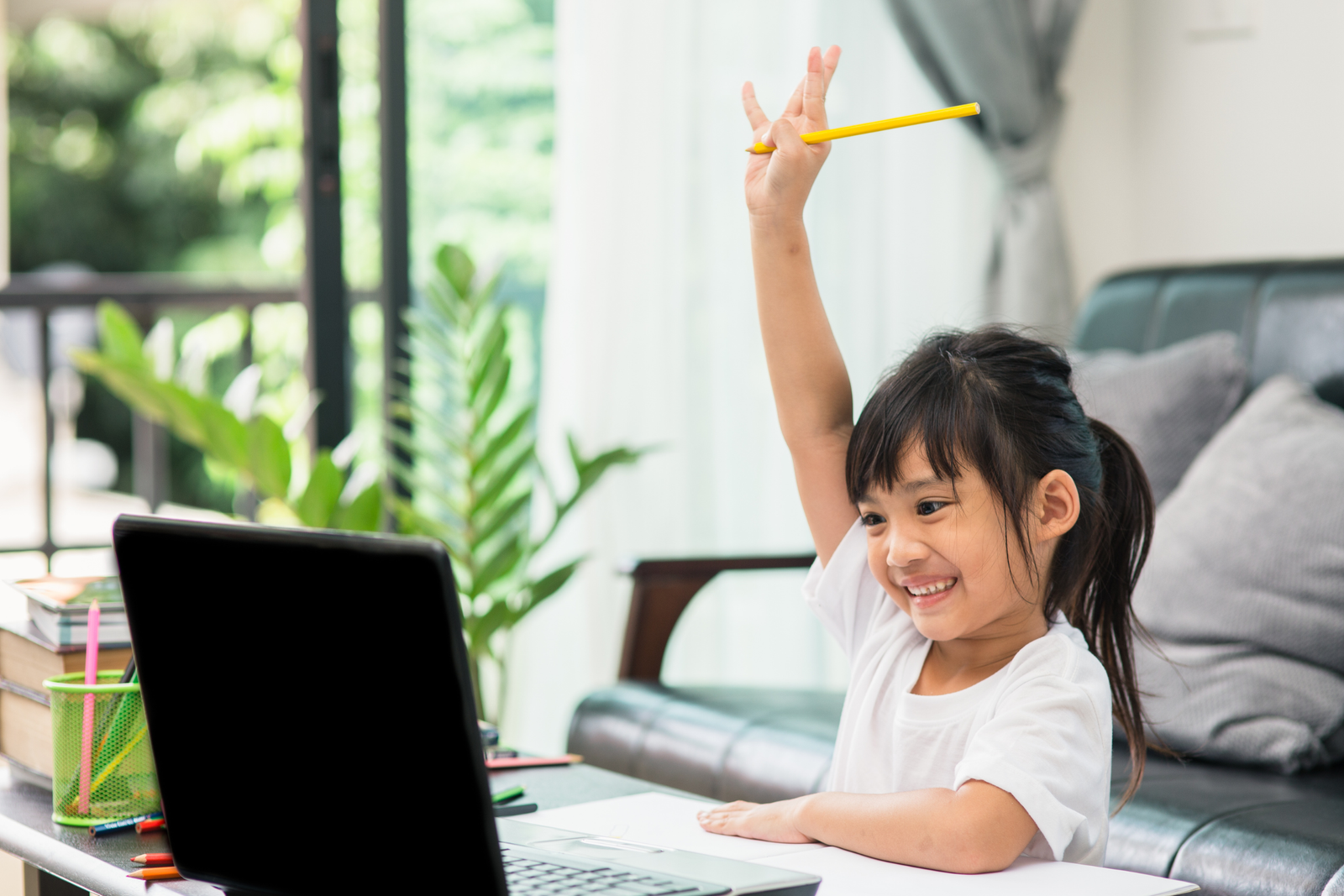
Learning everyday skills can be a challenge for children with developmental delays, but video modelling is emerging as a powerful tool to bridge this gap. Research has shown that carefully crafted video demonstrations can effectively teach foundational tasks to children with Down syndrome, autism, and other developmental conditions. Here’s how video modelling can make a difference and how caregivers and educators can use it to unlock new possibilities.
For a deeper dive into the research on how video modelling can help children with Down syndrome and developmental delays, check out our article on Observational Learning in Children with Down Syndrome and Developmental Delays: The Effect of Presentation Speed in Videotaped Modelling.
What is Video Modelling?
Video modelling is an instructional method where individuals watch video demonstrations of desired behaviors or skills. These videos provide clear, step-by-step visual instructions, allowing learners to observe and replicate the actions at their own pace. For children with developmental delays, this method has proven particularly effective because it removes the complexity of verbal instructions and focuses on visual learning.
Key Benefits of Using Video for Skill Development
1. Visual Clarity
Children with developmental delays often process visual information more easily than verbal instructions. It provides a concrete example of what is expected.
2. Independence
Watching and imitating video models can empower children to practice skills independently, fostering confidence and self-reliance.
3. Consistency
Unlike live demonstrations that may vary, videos offer consistent and repeatable instructions, which is crucial for skill acquisition.
4. Customizable Pacing
Videos can be slowed down or replayed, accommodating each child’s unique learning speed.
Real-World Applications
From everyday routines to more complex social interactions, video modelling can be applied across a wide range of skills, including:
-
Dressing and grooming
-
Meal preparation and dining etiquette
-
Navigating social situations
-
Academic tasks such as writing or organizing
Tips for Effective Video Modelling
-
Keep it Simple: Focus on one skill per video to avoid overwhelming the learner.
-
Use Familiar Settings: Record videos in environments familiar to the child to increase relevance and comfort.
-
Highlight Key Steps: Break down tasks into smaller, manageable steps, and emphasize each step visually.
-
Engage the Learner: Use visuals and voices that the child finds engaging, such as familiar faces or soothing tones.
-
Encourage Repetition: Allow the child to watch the video multiple times and practice alongside it.
Success Stories: The Impact of Video Modelling
A growing number of success stories illustrate the transformative power of video modelling. For example, in one study, children with Down syndrome and autism learned basic dressing skills more effectively when videos were presented at a slower pace. The visual format provided clarity, and the slower speed allowed children to process and replicate the actions with greater accuracy.
Parents and educators report that children who struggled with tasks such as brushing their teeth or tying their shoes have shown significant improvement after using video modelling as part of their learning routine.
The Future of Learning with Video
As technology continues to evolve, the accessibility of video modelling has increased. With smartphones and easy-to-use editing tools, parents and educators can create personalized video lessons tailored to a child’s specific needs. Furthermore, online platforms offer a wealth of pre-made videos, expanding the resources available for skill development.
By leveraging video modelling, we can open doors for children with developmental delays, helping them gain independence and thrive in their daily lives. It’s a testament to how simple yet innovative approaches can create profound impacts.
Stay tuned for more insights and practical tips on empowering children with special needs.